This article is for general guidance only and does not replace advice from your consultant, GP or physiotherapist.
Knee replacement is a procedure designed to improve mobility and quality of life when parts of the knee joint are damaged. If you’re preparing for surgery, it’s natural to have questions about the recovery process and what happens when you leave the hospital. For example, you may be wondering how long it takes to walk after knee replacement surgery or what kinds of complications may occur.
This detailed guide to knee replacement recovery provides you with all the information you need to help with a smooth and effective recovery. It’s also very helpful if you’re supporting a loved one through the process. We discuss what recovery entails, outline a timeline so you know what to expect after surgery and explore effective post-operative exercises for the days, weeks and months that follow your operation. We also highlight symptoms to watch out for so you know when to seek advice.
In some cases, individuals benefit from convalescent care following knee replacement surgery. Rustington Convalescent Home has supported hundreds of post-operative knee patients since 1897. Located by the sea in West Sussex, it is one of the few dedicated short-term convalescent and respite homes in the UK.
The knee replacement recovery timeline week by week
A full recovery from knee replacement surgery can take several months, but you’ll notice improvements in your mobility much sooner. It’s important to follow advice from your medical team to speed up your recovery and reduce risks.
This knee replacement recovery timeline UK is a general guide to give you an idea of what to expect after surgery:
Days 1-3: In hospital
After your operation, you’ll be taken to a recovery room where you’ll be monitored closely and given painkillers to ensure you’re comfortable. Once you’re ready, you’ll move to a ward. The care team will encourage you to start moving with help and support and give you any medication you need to manage your pain. It’s important to take flat, comfortable shoes with you.
To begin with, you’ll need help getting around, so you’ll probably be given a walking frame. As you get stronger and more confident, you’ll be encouraged to walk slightly further each time.
During your stay in hospital, you may also be given antibiotics to reduce the risk of infection. Signs of infection include:
Intense redness around the surgical site
Worsening swelling
Discharge from the wound
Heat around the wound
Fever
Feeling generally unwell
Flu-like symptoms, such as shivers and unexplained sweating
Week 1: Discharge from hospital
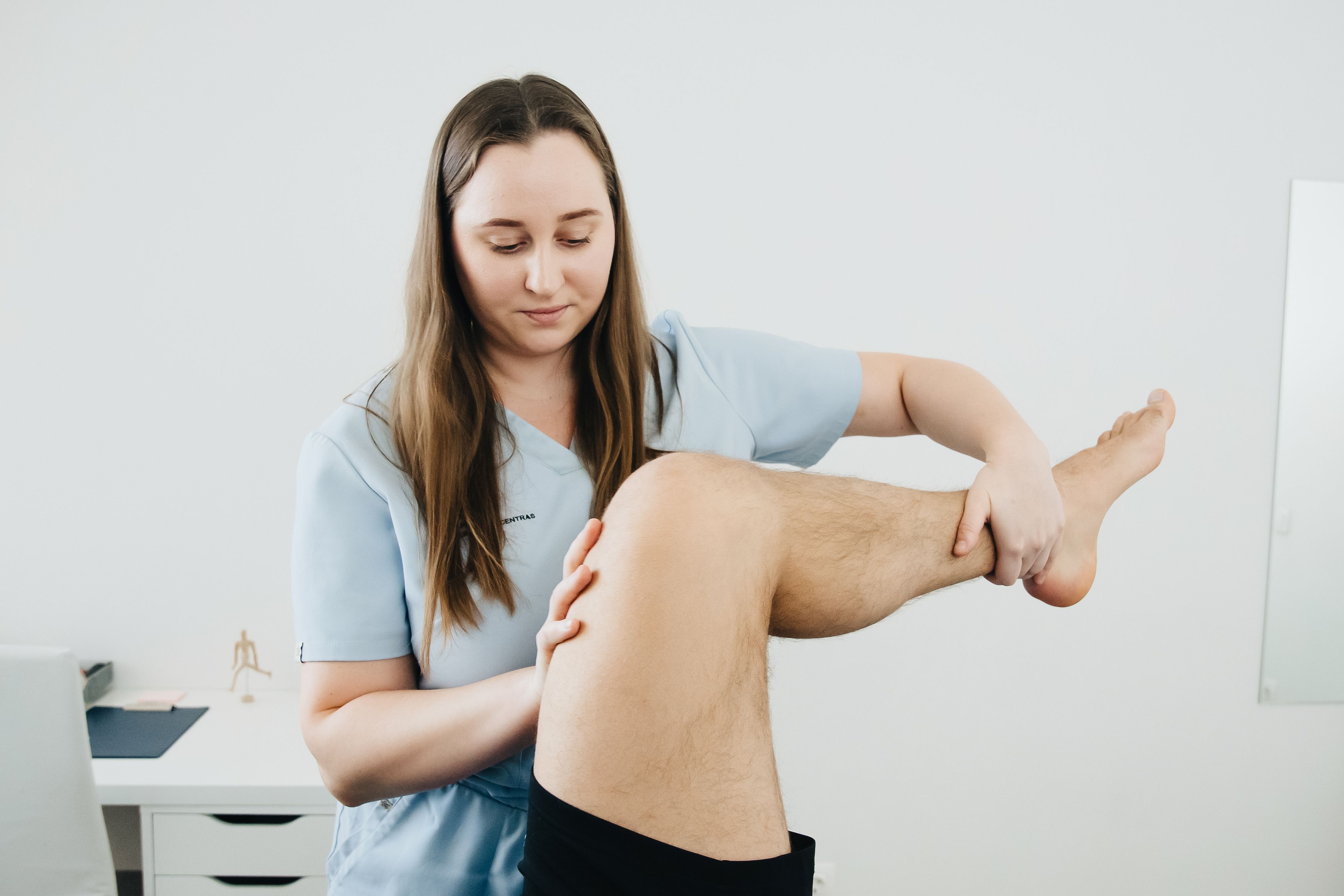
Most patients spend around 1-3 days in hospital after knee replacement surgery. Before you’re discharged, you’ll meet with a physiotherapist and/or an occupational therapist to talk about your recovery at home. They’ll discuss exercises with you, give you advice about walking at home, explain the best way to get into and out of beds and chairs and talk to you about doing daily activities.
Simple steps can help to strengthen your knee and make you feel more comfortable. These include:
Keeping your leg elevated when sitting
Avoiding sitting in the same position for long periods
Taking short, gentle walks every hour
Using ice packs to soothe pain and prevent inflammation
Taking painkillers and other medications as instructed by your medical team
Increasing your walking distance gradually
Following exercise guidelines
Avoiding crossing your legs, as this may increase the risk of blood clots
Wearing compression socks (your consultant will advise on the time period based on your needs)
Keeping your wound as dry as possible
Letting others help you with washing and everyday tasks like dressing
Trying to eat well and staying hydrated
Some people may find it hard to sleep during their recovery after knee replacement surgery. . You should not have to adjust your normal sleeping position, but you may experience discomfort as your knee heals. Keep up with painkillers as per the dosage instructions from your care team and avoid using extra pillows under your knee. This can increase stiffness. If you have any concerns about sleeping, don’t hesitate to ask your consultant, physiotherapist or GP.
Weeks 2-3
After 2-3 weeks, your stitches or staples will be removed and you should find that you can cover more ground and walk for longer with either crutches or a walking frame. Some people find they can walk for up to 15 minutes at this stage. It’s important that you continue to use walking aids until you’re confident and mobile enough to drop down to one crutch or swap to a walking stick. Everyone recovers at different speeds so try not to worry if you still need a frame or both crutches for a little longer than other people.
At this point, you may feel able to reduce your painkillers. Follow the advice from your doctors and continue to take medication if you’re in pain. If you’re worried about the level of pain or your pain is getting worse, seek medical advice.
Weeks 4-6
By the 6-week point, you may feel confident enough to try walking with just one crutch or a walking stick and, if you’re steady enough, you may want to attempt to walk unaided. There’s no rush to hit this milestone: it’s much better to walk properly and stay safe with a walking aid than to struggle and limp without one. At this point, you can start to wean yourself off walking aids, gradually adapting as and when you feel able. It’s best to try a different walking aid or take your first unsupported steps when somebody is with you.
Some people are eager to get back to daily activities by the 6-week mark. These include cooking basic meals and doing the laundry. You can also enjoy gentle exercise, such as swimming, once your wound has healed fully. It’s crucial to keep up with physio exercises throughout the recovery timeline.
Many people want to know how long it takes to drive after a knee replacement. If you’re keen to get back behind the wheel, doctors usually recommend waiting at least 6 weeks.
Weeks 7-12
During this stage of your recovery from knee replacement surgery, the goal is to increase the time and distance you can walk comfortably and gain more independence. By 12 weeks post-surgery, you may be able to walk for up to 60 minutes unaided and explore a range of different places. It’s wise to stick to flat, even surfaces and wear supportive, well-fitted shoes.
Going up and down the stairs should get easier day by day and, by this point, you may be able to try getting around without using the rail. You can also enjoy a more active social life and embrace a wider range of hobbies and activities.
Although you may feel great at this stage, it’s important not to jeopardise your recovery or add to your knee replacement surgery recovery time by doing too much or by doing activities or exercises that could set you back or cause injuries. High-impact, contact sports are not recommended. It’s best to ask your medical team for advice before trying any new sports.
It’s common to ask about going back to work when discussing knee replacement recovery time. In many cases, people can return to work after 6-12 weeks, but this depends heavily on the nature of their jobs. If you have a desk job or you work from home, for example, you will probably be ready to resume work before somebody with a more physically demanding job.
Months 3-12: Full recovery
Typically, it can take up to 12 months to recover fully from knee replacement surgery. You may hear doctors talk about the knee ‘forgetting itself.’ This means the new knee feels totally natural and normal to you. This is the end goal when you talk about a knee replacement recovery timeline.
Even after your recovery is complete, you may find some movements or activities challenging or painful. Your care team may advise you to avoid certain exercises or actions to prevent pain and protect the new joint. Examples may include movements like jumping, which put a lot of pressure on the knee when you land. If you have any queries about what you can and can’t do in terms of sports or specific exercises, it’s best to check with your medical team beforehand.
If you join exercise classes or sports clubs or hire a personal trainer, explain your situation so that the instructor or trainer can tailor the class or programme to suit your needs.
How long until you can walk normally after a knee replacement?
How long does it take to walk normally after knee replacement is one of the most common questions people ask before surgery. It’s understandable to want to know what happens after the operation and how long it’ll be before you’re back on your feet. The simple answer to this question is around 4-6 weeks with full natural gait by 3-6 months. Many people walk unaided by the 6-week mark but everyone’s recovery journey is unique.
It’s worth noting that you’ll be encouraged to get up soon after your operation. Within the first day, you’ll be taking a few steps with the help of walking aids and your medical team. When you get home, you’ll be advised to increase the distance gradually and slowly work towards weaning yourself off walking aids, venturing outdoors and gaining more confidence once your balance and stability improve.
Factors that affect knee replacement surgery recovery time
There are multiple factors that impact knee replacement surgery recovery in the UK, including:
Age: Your age can affect recovery time, with younger people tending to recover faster. This is not always the case, as many older people have high levels of fitness and good general health.
Pre-surgery fitness: Your general fitness and health status before the operation may impact how quickly you recover from surgery. If you were fit, active and healthy before the operation, you may recover faster.
Weight: A high BMI (over 25.0) can increase the risk of infections, wound issues and a slightly slower recovery.
Physiotherapy: Physiotherapy aids recovery after knee replacement surgery. It is designed to improve flexibility, balance and mobility and strengthen your body safely. If you follow the exercise guidelines throughout the recovery timeline, you may recover function more effectively.
Dedicated support: It is hugely beneficial for individuals who have been through knee replacement surgery to have access to dedicated support during the first few weeks. This means advice and support from medical professionals as well as help at home.
The top mistakes to avoid after knee replacement
Making mistakes after knee replacement can increase recovery times and the risk of injuries and setbacks. It’s critical to listen to professional advice, seek help and support from loved ones and get in touch with your doctor or physio if you have any concerns. The top mistakes to avoid after surgery include:
Skipping physiotherapy exercises Physiotherapy exercises speed up recovery and help you gain confidence and independence. If you don’t do the prescribed exercises, your recovery will take longer and you may find that symptoms, such as pain, persist.
Doing too much too soon It’s easy to fall into the trap of doing too much too soon, especially if you’re usually an active person. Take each day as it comes and don’t try to run before you can walk.
Doing too little Not doing enough is one of the top 5 mistakes after knee replacement. Your body needs to move to heal, adapt and recover. It’s important to follow the exercises provided by your medical team and increase activity levels steadily.
Sleeping with a pillow under the knee It can be difficult to get comfortable at night when you leave hospital but try to avoid adding extra pillows or cushions to support your knee. Sleeping with a pillow or cushion underneath the affected knee can cause flexion contracture. This is a condition that causes the knee to get stuck in a bent position which means that it can’t be straightened fully.
Ignoring pain that worsens after week 2 If you have pain that is getting worse at any point in the recovery timeline, seek medical advice as soon as possible.
Stopping ice and elevation too early Applying ice packs to your knee and keeping your leg elevated are beneficial for reducing pain and swelling. NHS guidance recommends keeping your leg up and applying ice regularly for at least 6 weeks.
Returning home alone without support
Knee replacement is a significant operation with a substantial recovery period. It’s important to ensure you have support at home after surgery. If you don’t have family members and friends on hand to help, there are alternatives such as convalescent care.
Essential exercises after knee replacement (and exercises to avoid)
Targeted exercises are an essential part of knee replacement recovery. Your medical team will encourage you to follow specific guidelines once you get home. The recommended repetitions outlined below are taken from NHS guidelines, but always follow personalised instructions from your physiotherapist or consultant.
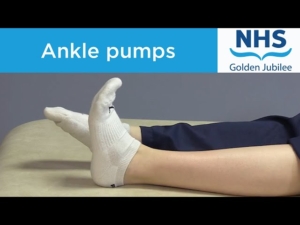
Examples of recommended exercises include:
1. Heel slides
How to do a heel slide: Sit or lie with your legs stretched out and slowly move your heel towards your bottom. Hold your leg in a comfortable position before sliding the heel back to its original position. Click here to watch a slide demonstrating this exercise.
How many repetitions: Repeat 5-10 times. You can increase the number of repetitions as you get stronger and more flexible.
What it achieves: Improved flexibility in the knee
Always follow the specific exercise programme prescribed by your physiotherapist or consultant — this article is general guidance only.
2. Quad sets
How to do a quad set: Extend your leg in front of you whilst sitting. Tense your quadriceps (thigh) muscle, hold and then release.
How many? Aim for at least 10 reps twice a day.
What does it achieve? Strength and mobility in the thigh which improves knee stability.
Always follow the specific exercise programme prescribed by your physiotherapist or consultant — this article is general guidance only.
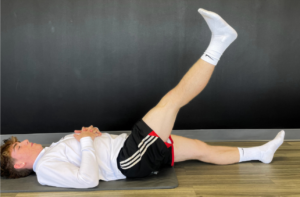
How to do a straight leg raise: Lie on your back with one leg extended and one bent at the knee. Using your thigh muscle, lift the straight leg to the same level as the knee on your bent leg. Hold and then lower it back down gently.
How many? Try to do 10-15 reps on each leg twice a day.
What does it achieve? Strengthens the quadriceps to enhance knee mobility and stability.
Always follow the specific exercise programme prescribed by your physiotherapist or consultant — this article is general guidance only.
How to do a knee bend: Sit on a chair and cross your ankles, with the non-operated leg on top. Bend your knee and move both legs backwards.
How many times? Repeat up to 10 times. Aim to do this exercise frequently during the day.
What does it achieve? Improves knee joint flexibility.
Always follow the specific exercise programme prescribed by your physiotherapist or consultant — this article is general guidance only.
Exercises to avoid after knee replacement
Exercises it is wise to avoid after knee replacement include:
Deep squats
Twisting
Kneeling
Contact sports
High-impact sports
Jogging
When you should NOT recover at home alone
There are various scenarios that make recovering at home more challenging. If any of the following circumstances apply to you, there are alternatives to being at home with no support.
Living alone with no family nearby If you don’t have relatives or close friends nearby, it’s best to avoid going home alone. You’ll need additional help and support around the house, especially during the first few weeks.
Living in a property with stairs and no downstairs facilities If you don’t have access to essential facilities, such as a toilet and washhand basin, downstairs, it’s wise to explore alternative options. You won’t be able to manage the stairs comfortably and safely during the first stage of your recovery.
Previous falls or balance issues If you have a history of balance issues or falls, it may be safer to consider recovering in a dedicated rehabilitation or convalescence facility.
Diabetes, heart conditions, or other complicating factors Underlying health conditions can increase risks during your recovery.
Recovery from previous joint replacements that didn’t go smoothly If you’ve experienced complications or setbacks during recovery after a previous joint replacement, you may not want to go home immediately.
Alternative options to consider
Home is not always the safest, most convenient or comfortable location after knee replacement. If the scenarios listed above apply to you or you don’t feel confident starting your recovery alone at home, there are alternatives.
Some people decide to move in with family members or friends after surgery. If your best friend has a single-storey house or you have children or siblings available to look after you during your recovery, it makes sense to consider this route.
Convalescent care is another alternative to being at home, especially if you’re on your own or if there are increased risks of complications. Convalescent and short-term respite care offer a structured solution that usually applies to the first few weeks (most people stay for 2-6 weeks) of your recovery. It may provide access to on-site nursing care, mobility support and prepared meals and access to physiotherapy. How much it costs will depend on the facility and the duration of your stay.
Red flags: When to call your GP or surgeon
It’s important to be aware of red flags during your recovery. Seek urgent medical advice from your GP or consultant if you experience the following:
Signs of infection:
Fever
Increased redness and tenderness
Heat around the wound
Abnormal wound discharge
Signs of DVT:
Calf swelling and tenderness
Acute pain
Swollen veins
Skin is hot to the touch
How Rustington Convalescent Home can help you with your knee replacement recovery
Rustington Convalescent Home is a dedicated convalescent and respite care home nestled in a beautiful coastal setting in West Sussex.
About our care: Designed specifically to support individuals for short stays (1-6 weeks) after procedures such as knee replacement, we are a not-for-profit charity that provides post-operative care with on-site nursing 24/7. During a stay with us you will have an ensuite bedroom, access to plenty of communal spaces, prepared meals and a range of activities. Our enviable location on the seafront in Rustington provides a safe, relaxing and uplifting environment for knee replacement recovery.
How long does it take to walk normally after a knee replacement? It takes around 6 weeks to walk normally after a knee replacement. Initially, you’ll need to use a walking frame or crutches. A natural gait takes up to 3-6 months.
What should you not do after knee replacement surgery? Common mistakes after knee replacement include trying to do too much, not doing the recommended physiotherapy exercises, not moving frequently, and doing activities that could hamper your recovery, such as twisting and kneeling.
Is it normal to feel exhausted after a knee replacement? Yes, it is normal to feel exhausted after knee replacement. Any kind of operation takes its toll on your body. As you heal, your body devotes a lot of energy and resources to recovery, meaning you may feel more tired than usual.
When can I drive after knee replacement? You should be able to drive around 6 weeks after your surgery, according to NHS guidelines. Check with your doctor before driving.
When can I go back to work after knee replacement? Most people are ready to return to work 6-12 weeks after knee replacement. This will depend on your job, where you work and how your recovery goes.
We use cookies on our website to give you the most relevant experience by remembering your preferences and repeat visits. By clicking “Accept”, you consent to the use of ALL the cookies.
This website uses cookies to improve your experience while you navigate through the website. Out of these, the cookies that are categorized as necessary are stored on your browser as they are essential for the working of basic functionalities of the website. We also use third-party cookies that help us analyze and understand how you use this website. These cookies will be stored in your browser only with your consent. You also have the option to opt-out of these cookies. But opting out of some of these cookies may affect your browsing experience.
Necessary cookies are absolutely essential for the website to function properly. These cookies ensure basic functionalities and security features of the website, anonymously.
Cookie
Duration
Description
cookielawinfo-checkbox-analytics
11 months
This cookie is set by GDPR Cookie Consent plugin. The cookie is used to store the user consent for the cookies in the category "Analytics".
cookielawinfo-checkbox-functional
11 months
The cookie is set by GDPR cookie consent to record the user consent for the cookies in the category "Functional".
cookielawinfo-checkbox-necessary
11 months
This cookie is set by GDPR Cookie Consent plugin. The cookies is used to store the user consent for the cookies in the category "Necessary".
cookielawinfo-checkbox-others
11 months
This cookie is set by GDPR Cookie Consent plugin. The cookie is used to store the user consent for the cookies in the category "Other.
cookielawinfo-checkbox-performance
11 months
This cookie is set by GDPR Cookie Consent plugin. The cookie is used to store the user consent for the cookies in the category "Performance".
viewed_cookie_policy
11 months
The cookie is set by the GDPR Cookie Consent plugin and is used to store whether or not user has consented to the use of cookies. It does not store any personal data.
Functional cookies help to perform certain functionalities like sharing the content of the website on social media platforms, collect feedbacks, and other third-party features.
Performance cookies are used to understand and analyze the key performance indexes of the website which helps in delivering a better user experience for the visitors.
Analytical cookies are used to understand how visitors interact with the website. These cookies help provide information on metrics the number of visitors, bounce rate, traffic source, etc.
Advertisement cookies are used to provide visitors with relevant ads and marketing campaigns. These cookies track visitors across websites and collect information to provide customized ads.